

Why Submaximal Exercise Tests Are Redefining Fitness Assessment

Fitness assessments are essential for understanding an individual’s current health and creating effective training programs. Traditionally, maximal exercise tests were the preferred method, pushing individuals to their absolute limits. However, this approach can be challenging, especially for beginners or those with health conditions.
This is where submaximal exercise tests offer a valuable alternative. These tests provide insights into cardiorespiratory fitness without the intensity and risks of maximal exertion. This makes them a safer and more accessible option for a broader range of people.
Benefits of Submaximal Testing
Submaximal tests provide a more inclusive approach to fitness assessment. For instance, someone recovering from an injury or an older adult might find a maximal test too strenuous. Submaximal protocols can be adapted to suit various fitness levels, making them a more practical option. This adaptability has increased their popularity among fitness professionals, particularly in the UK.
One key differentiator is the ability of submaximal tests to estimate VO2max, a vital indicator of aerobic fitness, without requiring all-out effort. This is achieved by measuring physiological responses like heart rate and oxygen consumption during lower-intensity exercise.
These responses, combined with validated equations, are then used to predict VO2max. This process makes fitness assessment safer and more manageable for a wider population, making submaximal exercise testing an invaluable tool for personal trainers and health professionals.
Advancements in Submaximal Testing
Research and technological advancements have greatly enhanced the accuracy and application of submaximal tests. Studies like the UK Biobank’s research, involving a ramped submaximal cycle ergometer test on a subsample of 100,000 participants, have contributed to more precise VO2max estimations. Read the full research here
This research demonstrates the inclusivity of these tests, with 22 different protocols tailored to individual body size and resting heart rate. This ensures a comprehensive assessment of cardiorespiratory fitness across diverse populations.
These developments highlight the growing importance of submaximal exercise testing as a reliable and practical tool for assessing and improving fitness. The ability to collect accurate data without maximal exertion makes these tests particularly useful for those new to exercise, those with health limitations, or those who prefer a less intense approach.
This approach changes how we understand and measure fitness, leading to more personalized and effective exercise programming. This benefits individuals of all fitness levels and backgrounds, promoting a more inclusive and accessible approach to health and wellness.
The Definitive Guide to Submaximal Exercise Test Protocols
Navigating the various submaximal exercise test protocols can feel overwhelming. This guide breaks down effective methods used by practitioners across the UK, from cycle ergometer tests to walking assessments. This allows you to select the best protocol for your individual client’s needs.
Choosing the Right Protocol
Selecting the appropriate submaximal exercise test depends on several factors. These include the individual’s fitness level, available resources, and the specific information needed. For example, a field test like the Chester Step Test requires minimal equipment. It can be conducted almost anywhere, making it ideal for large groups or situations with limited resources. This test involves stepping up and down on a platform at a specified rate. Heart rate response is then measured to determine fitness levels. Learn more about the Chester Step Test and suitable equipment options on Cartwright Fitness.
Conversely, a cycle ergometer test, conducted in a controlled environment, offers more precise measurements of cardiorespiratory fitness. The target population also influences protocol selection.
Older adults or individuals with certain health conditions may benefit from a less strenuous protocol. An example is a modified Bruce protocol on a treadmill. This protocol features gradual increases in speed and incline, allowing for safer assessment.
For athletes, a ramp test on a rowing ergometer can help pinpoint training zones and refine performance.
Understanding Test Stages, Duration, and Target Heart Rate
A crucial aspect of conducting submaximal exercise tests is understanding their structure and physiological targets. This includes the number of stages involved, the average test duration, and the target heart rate percentage. These factors ensure the test remains submaximal. The following infographic visualizes these key components:
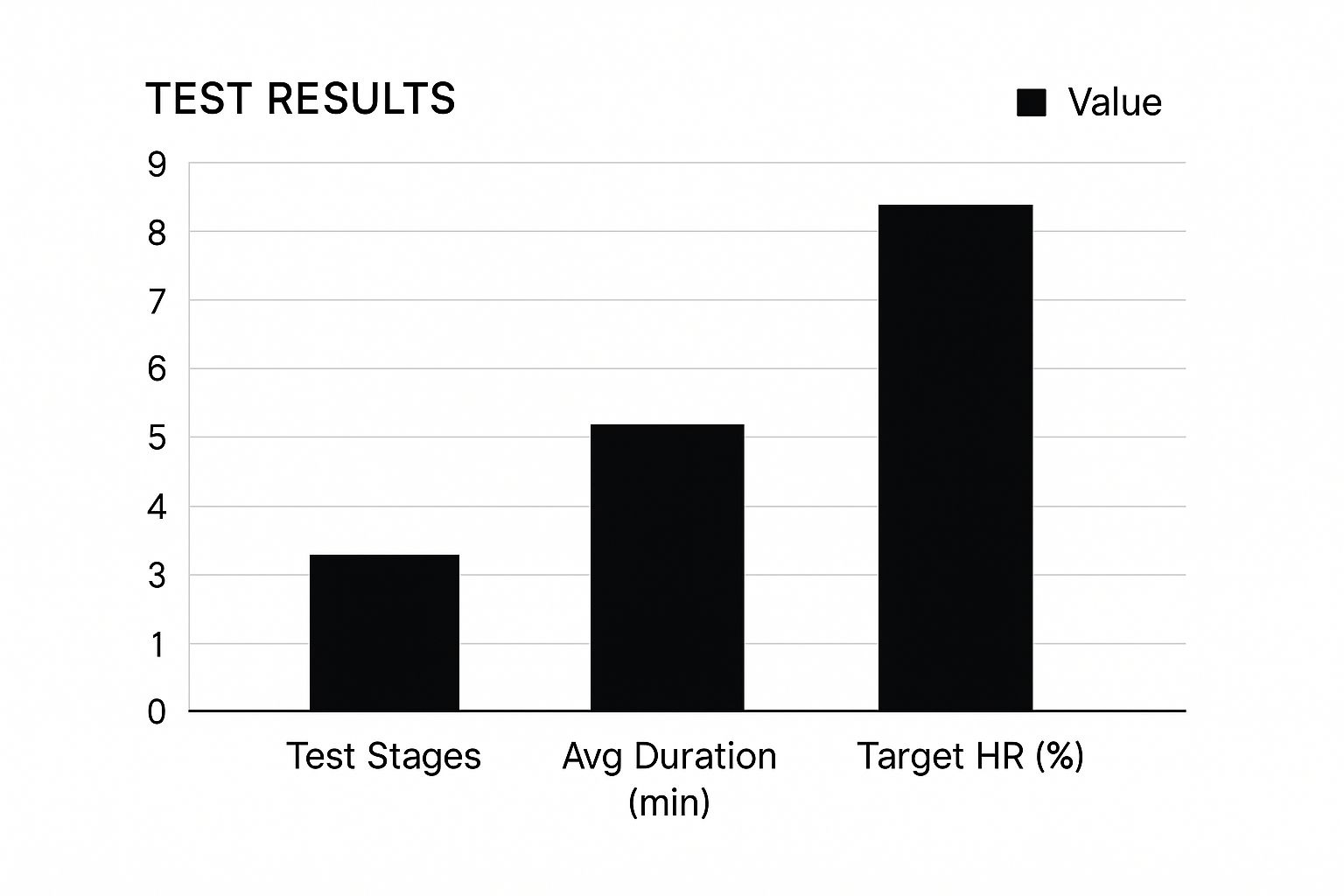
As the infographic shows, a typical submaximal exercise test might involve 3 stages. It lasts an average of 7 minutes and aims for a target heart rate of 85% of the individual’s maximum heart rate.
This careful control of intensity ensures the test provides valuable data. Importantly, it does this without pushing the participant to exhaustion, making it a safe and effective fitness assessment method.
Common Submaximal Exercise Test Protocols
The following table provides a detailed comparison of popular submaximal exercise test protocols used in the UK. It highlights key differences and similarities to help practitioners make informed decisions.
Comparison of Common Submaximal Exercise Test Protocols:
| Protocol | Equipment Needed | Test Duration | Best For | Limitations |
|---|---|---|---|---|
| Chester Step Test | Step, metronome, heart rate monitor | ~5 minutes | Large groups, field assessments | Less precise than laboratory tests |
| Cycle Ergometer Test | Cycle ergometer, heart rate monitor | ~10 minutes | Individuals, controlled environment | Requires specialized equipment |
| Treadmill Test (e.g., Bruce, Modified Bruce) | Treadmill, heart rate monitor | ~10-20 minutes | Individuals, assessing various fitness levels | Requires specialized equipment, can be challenging for some individuals |
| Walking Test (e.g., 6-Minute Walk Test) | Measured track, stopwatch | 6 minutes | Assessing functional capacity, older adults | Limited information on cardiorespiratory specifics |
This table summarizes the practical considerations for each protocol, including equipment requirements, test duration, ideal applications, and potential limitations. This information allows practitioners to choose the most appropriate test for their clients. Understanding these protocols is crucial for gathering accurate data and creating targeted fitness programs.
Understanding the Science That Powers Submaximal Testing
Submaximal exercise tests offer a practical and accessible way to assess cardiorespiratory fitness (CRF) without pushing individuals to their absolute limits. How do these tests accurately predict fitness without requiring maximal exertion? The answer lies in the science behind the relationship between heart rate, oxygen consumption, and exercise intensity.
The Heart of the Matter: Heart Rate and Oxygen Consumption
During exercise, your heart rate increases to deliver more oxygen to your working muscles. This increase in heart rate is closely linked to oxygen consumption (VO2). As the intensity of your exercise increases, both heart rate and VO2 rise proportionally. This predictable relationship forms the basis of submaximal exercise testing. By measuring heart rate at a submaximal workload, we can estimate VO2 and predict VO2max, a key indicator of aerobic fitness. It’s like using a sample to understand the whole.
Predicting VO2max: Equations and Variables
This prediction is achieved through validated equations that take into account factors like age, gender, and the specific submaximal workload used in the test. Developed through extensive research, these equations translate submaximal performance into a VO2max estimate. However, various factors, such as anxiety and ambient temperature, can influence heart rate and potentially affect the results. For example, anxiety can elevate resting heart rate, which could lead to an underestimation of true fitness levels. Therefore, controlling these variables, such as ensuring a comfortable testing environment and giving clear instructions, is essential for accurate assessment. This ensures the test provides reliable data.
Validation and Confidence in Submaximal Testing
The accuracy of submaximal testing is well-established. Numerous validity studies have shown that when administered correctly, submaximal tests provide comparable accuracy to direct VO2max measurement. Historically, studies like the Allied-Dunbar National Fitness Survey in the UK were among the first to establish normative CRF data and link CRF to health outcomes. Along with other surveys and more recent studies like the Fenland Study, these demonstrate the ongoing effort to understand CRF’s impact within UK demographics. Explore this topic further. This research provides confidence in using submaximal testing for various populations and purposes, from assessing baseline fitness to monitoring progress in clinical settings. This strong evidence base confirms the value of submaximal tests as a trustworthy tool in fitness assessment.
Clinical Applications That Transform Patient Outcomes
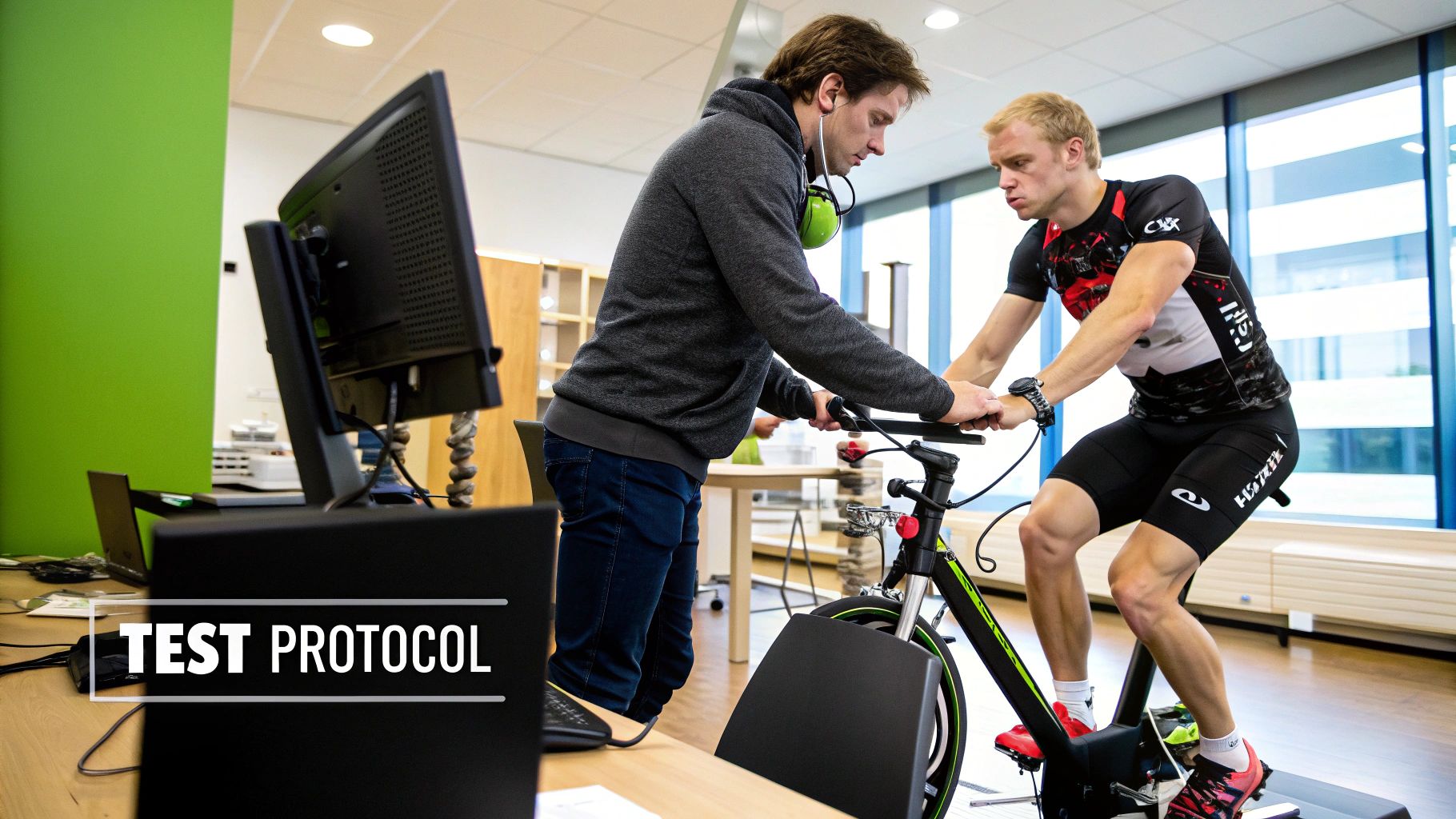
Submaximal exercise testing is gaining traction in clinical settings throughout the UK. It provides essential data used to make informed decisions about patient care across various specialties and diverse patient populations. These tests offer a safe and practical method for assessing and monitoring cardiorespiratory fitness, avoiding the potential risks of maximal exertion. This makes them appropriate for a broad range of individuals, including those with pre-existing health concerns.
Enhancing Cardiac Rehabilitation
A key application of submaximal exercise testing is within cardiac rehabilitation (CR). These tests enable clinicians to monitor a patient’s progress during recovery. By regularly assessing cardiorespiratory fitness, healthcare professionals can objectively measure improvement and tailor exercise plans accordingly. This personalized approach ensures the rehabilitation program remains both safe and effective, optimizing the patient’s recovery. Regular assessments also provide patients with concrete evidence of their progress, which can increase motivation and adherence to the program.
This, in turn, can result in better long-term outcomes and a higher quality of life.
Guiding Pre-Surgical Planning
Submaximal exercise testing also plays a vital role in pre-surgical evaluations. Understanding a patient’s fitness level before surgery can help assess operative risk and customize prehabilitation protocols. For instance, a patient scheduled for major surgery with low cardiorespiratory fitness may benefit from a prehabilitation program. This type of program is designed to improve their functional capacity before the procedure. This proactive approach can reduce post-operative complications and improve recovery. Ultimately, it leads to patients being better prepared for surgery and experiencing a smoother recovery.
Monitoring Treatment Efficacy
Beyond surgical planning, submaximal exercise tests are valuable tools for monitoring treatment effectiveness for various conditions, such as heart failure and COPD (Chronic Obstructive Pulmonary Disease). Regular assessments give clinicians valuable insights into a treatment plan’s success. This data helps inform decisions about adjusting medications and refining interventions. In the UK, submaximal exercise testing is now integrated into community-based cardiac rehabilitation programs. A study conducted in Leeds, West Yorkshire, showed that improvements in cardiorespiratory fitness, measured through submaximal testing, correlated with a lower mortality risk. Even modest average improvements of 0.5 METs demonstrated this benefit. Find more detailed statistics here. This finding underscores the long-term value of incorporating these assessments into routine care. This data-driven approach helps ensure proactive patient management and improved overall health outcomes.
Practical Implementation in Healthcare Settings
Integrating submaximal exercise testing into busy clinical settings necessitates thoughtful planning and effective resource management. Several protocols, including the Chester Step Test, are designed for efficiency, requiring minimal equipment and training. This makes them well-suited for healthcare facilities with budget constraints. Additionally, implementing streamlined workflows for patient scheduling, data collection, and interpretation of results ensures seamless integration with existing clinical practices. These practical considerations promote wider access to important fitness assessments, ultimately benefitting both patients and healthcare providers. This broader use of submaximal testing contributes to a more comprehensive and personalized approach to patient care.
Master Class: Conducting Flawless Submaximal Exercise Tests
This master class will enhance your skills in conducting submaximal exercise tests. From participant preparation to presenting the results, we’ll explore every facet of the process. This comprehensive guide, informed by experts in exercise science, will equip you with the confidence and precision needed for effective testing.
Participant Screening and Risk Stratification
Before any testing begins, a thorough screening of each participant is essential. This involves a review of their medical history, current medications, and any pre-existing health conditions. Participants are then categorized based on their risk level. This process helps determine the appropriate test protocol and intensity, ensuring participant safety and tailoring the test to individual needs. For instance, a participant with a history of heart disease would likely undergo a less strenuous protocol than a healthy young adult.
This careful assessment mitigates potential risks and ensures the test’s suitability for every participant.
Test Selection and Execution
Selecting the right submaximal exercise test depends on several factors. These include the participant’s fitness level, the resources available, and the overall assessment goals. Common protocols used in the UK include the Chester Step Test, cycle ergometer tests, and treadmill tests like the modified Bruce protocol. Accurate execution of the chosen protocol is crucial after selection.
This includes precise equipment calibration. For example, cycle ergometers should be calibrated correctly for accurate workload measurement. Standardized instructions also play a vital role in ensuring reliable and valid test results. Clear and consistent communication reduces variability and improves the accuracy of the results. Integrating submaximal exercise tests with a broader approach to patient care, such as incorporating self-care for professionals, can significantly improve patient outcomes.
Monitoring and Managing Participant Responses
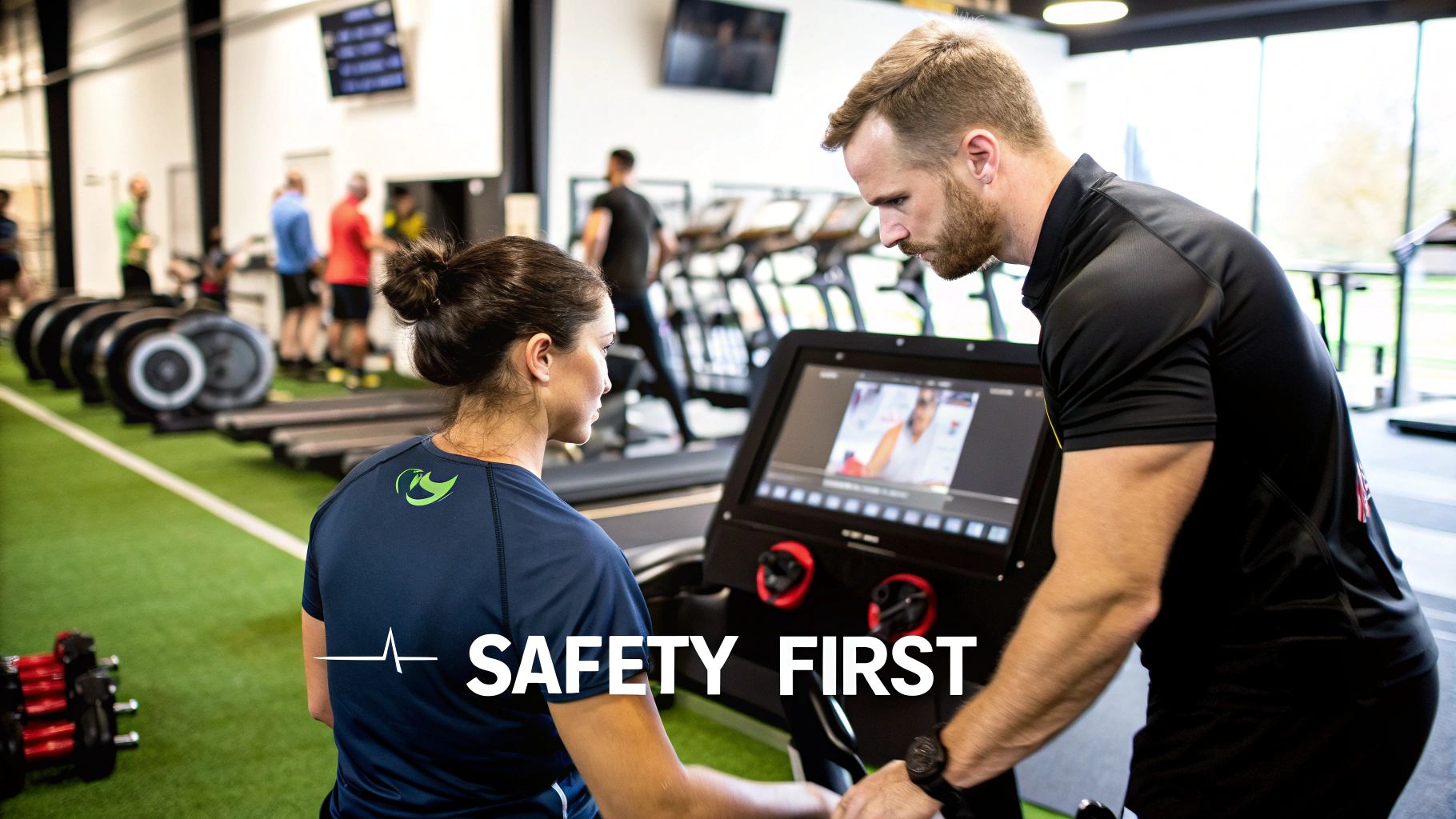
During the test, real-time monitoring of participant responses is paramount for safety and data reliability. This includes careful observation of heart rate, blood pressure, and perceived exertion. Be alert for any signs of excessive exertion, such as dizziness, chest pain, or irregular heartbeat.
Having established protocols for managing unexpected responses is essential. This may involve stopping the test, providing first aid, or referring the participant for further medical evaluation. Preparedness and a proactive approach are key to ensuring participant well-being. This attentiveness allows for timely intervention if needed.
Documentation, Interpretation, and Communication
Accurate documentation of test results is critical for monitoring progress and making informed decisions. Using validated templates to record crucial data points like heart rate responses, achieved workload, and any observed symptoms is recommended. Interpreting the results requires a clear understanding of normative values and the specific protocol employed.
Communicate the findings to the participant in a clear and understandable manner. Emphasize the implications for their health and fitness, providing practical recommendations for exercise and lifestyle modifications. This empowers individuals to make positive changes based on their results. Clear feedback enhances the value of the test.
Adapting Protocols for Challenging Populations
Adapting submaximal exercise test protocols is often necessary when working with certain populations. This includes older adults, individuals with mobility limitations, or those with chronic conditions. Modifications may involve adjusting the exercise intensity, duration, or mode. For instance, an older adult might complete a walking test rather than a running test.
Crucially, these adjustments must maintain the assessment’s integrity and reliability. This necessitates careful consideration of each individual’s specific needs and limitations. This customized approach ensures accessibility and safety for diverse groups.
Troubleshooting Common Issues
Occasionally, technical difficulties like equipment malfunctions can occur during testing. Having a troubleshooting guide can facilitate quick resolutions. Similarly, participant-related issues, such as anxiety or difficulty understanding instructions, require careful handling.
Develop strategies for addressing these challenges, including clear communication protocols and providing reassurance to anxious participants. This proactive approach minimizes disruptions and ensures a smooth testing process.
This detailed approach to submaximal exercise testing guarantees accurate, safe, and insightful assessments. By mastering these techniques, you can effectively utilize these tests to promote better health and fitness outcomes.
To assist with the implementation of these tests, the following table offers a comprehensive checklist:
Submaximal Exercise Test Implementation Checklist
A comprehensive checklist of steps for successfully implementing submaximal exercise tests in various settings.
| Phase | Tasks | Special Considerations | Resources Needed |
|---|---|---|---|
| Pre-Test | Participant screening & risk stratification | Consider medical history, medications, and existing conditions. | Screening forms, medical records |
| Pre-Test | Test selection & protocol familiarization | Choose appropriate protocol based on participant characteristics and goals. | Protocol manuals, equipment manuals |
| Pre-Test | Equipment calibration & preparation | Ensure accurate calibration and readiness of equipment. | Calibration tools, equipment checklists |
| Test Execution | Explain procedures & obtain informed consent | Provide clear instructions and address participant questions. | Informed consent forms, instructional materials |
| Test Execution | Monitor vital signs & perceived exertion | Continuously observe for signs of excessive exertion. | Heart rate monitor, blood pressure cuff, RPE scale |
| Test Execution | Data recording & documentation | Accurately record data throughout the test. | Data collection sheets, stopwatch |
| Post-Test | Data analysis & interpretation | Analyze results in context of normative values and protocol used. | Normative data tables, calculator |
| Post-Test | Results communication & feedback | Provide clear and understandable feedback to participants. | Feedback forms, educational materials |
| Post-Test | Follow-up & recommendations | Offer personalized recommendations based on results. | Exercise prescription guidelines, referral resources |
This checklist summarizes the essential steps for successful implementation. By following these guidelines, you can ensure a safe and effective testing procedure.
The Future of Submaximal Testing: Innovations and Opportunities
Submaximal exercise testing is a dynamic field, constantly adapting and improving. Exciting developments are transforming how we assess fitness and understand its impact on health and performance within the UK.
Wearable Technology: Transforming Testing
Wearable technology, such as smartwatches and fitness trackers, is already changing the landscape of submaximal testing. These devices are becoming increasingly sophisticated, accurately capturing physiological data during exercise. This opens doors for continuous monitoring and remote assessment of cardiorespiratory fitness. Imagine a future where daily activities contribute to a comprehensive picture of personal fitness, empowering individuals to manage their health and well-being more effectively.
This data, seamlessly integrated into daily routines, offers a far more personalized view than isolated testing sessions. It moves beyond simple metrics to provide a holistic view of an individual’s fitness.
Artificial Intelligence: Revolutionizing Interpretation
Artificial intelligence (AI) is poised to revolutionize how we interpret test data. AI algorithms excel at identifying complex patterns and correlations in large datasets, exceeding human capabilities. This can lead to more precise and personalized VO2max predictions, uncovering subtle variations in individual responses to exercise. AI also offers the potential for automated test interpretation, providing immediate feedback and guidance to participants, increasing access to fitness assessments. Much like companies use phishing awareness training to educate employees, integrating educational components within submaximal testing protocols can empower individuals to better understand their results.
Large-Scale Population Studies: Uncovering Connections
Large-scale population studies utilizing submaximal exercise tests provide invaluable insights into the relationship between fitness and health outcomes. Initiatives like the UK Biobank, collecting data from hundreds of thousands of participants using submaximal protocols, are at the forefront. These studies help researchers discover connections between fitness metrics and various health conditions, informing public health strategies and promoting healthier lifestyles across the UK. This information is critical for developing targeted interventions and improving national health.
Home-Based Testing: Democratizing Fitness
Home-based testing platforms are making professional-grade fitness assessments more accessible. These platforms often integrate wearable technology, personalized software, and remote expert guidance, empowering individuals to conduct submaximal tests from the comfort of their homes. This democratization of fitness assessment has the potential to dramatically improve public health initiatives by enabling individuals to take a more proactive approach to their fitness.
Research Gaps and Future Directions
While progress is evident, research gaps remain. Further investigation is crucial for refining prediction equations for diverse populations, accounting for factors such as ethnicity, age, and existing health conditions. Exploring new modalities, like virtual reality-based exercise, and integrating multiple data sources, including genetic information and lifestyle factors, can further enhance the precision and personalization of submaximal exercise testing. This ongoing research will ensure these tests remain a vital tool for assessing and improving fitness. The advancements will contribute to more accurate and individualized fitness assessments, ultimately leading to improved health outcomes across the UK.
Shaping Public Health and Clinical Practice
The future of submaximal testing is promising. Continued innovation will transform public health strategies and clinical practice. Imagine submaximal exercise testing as a routine part of primary care, enabling early identification of individuals at risk of cardiovascular disease and other health conditions. This proactive approach would allow for earlier interventions and better long-term health outcomes. These advancements have the power to reshape personalized fitness advice and support healthier lifestyles.
For reliable and accurate equipment for your submaximal exercise testing needs, explore the options available from Cartwright Fitness. They offer a wide range of professional-grade tools designed to help you achieve the most accurate and insightful assessment results.