

Level Up Your Game: Essential Sports Performance Tests
Want to optimize athletic training and boost performance? Sports performance testing provides key data to enhance training programs and track progress. This listicle covers eight essential sports performance tests, evaluating strength, power, endurance, and mobility. Learn how VO2 max testing, Functional Movement Screens (FMS), Wingate anaerobic tests, force plate analysis, vertical jump tests, GPS/LPS tracking, Yo-Yo Intermittent Recovery Tests, and 1-Repetition Maximum (1RM) testing can inform your training approach. These objective measurements help identify areas for improvement and achieve performance goals.
1. VO2 Max Test
The VO2 Max test is widely considered the gold standard for evaluating cardiorespiratory fitness and aerobic endurance in sports performance testing. It measures the maximum amount of oxygen an athlete can utilize during intense exercise, providing a precise and objective assessment of their aerobic capacity. During the test, the athlete performs incremental exercise, typically on a treadmill or stationary bike, while wearing a mask that analyzes their oxygen consumption and carbon dioxide production. The test continues with progressively increasing intensity until the athlete reaches exhaustion, allowing for a true measurement of their maximal oxygen uptake. This data is then expressed in milliliters of oxygen consumed per kilogram of body weight per minute (ml/kg/min).
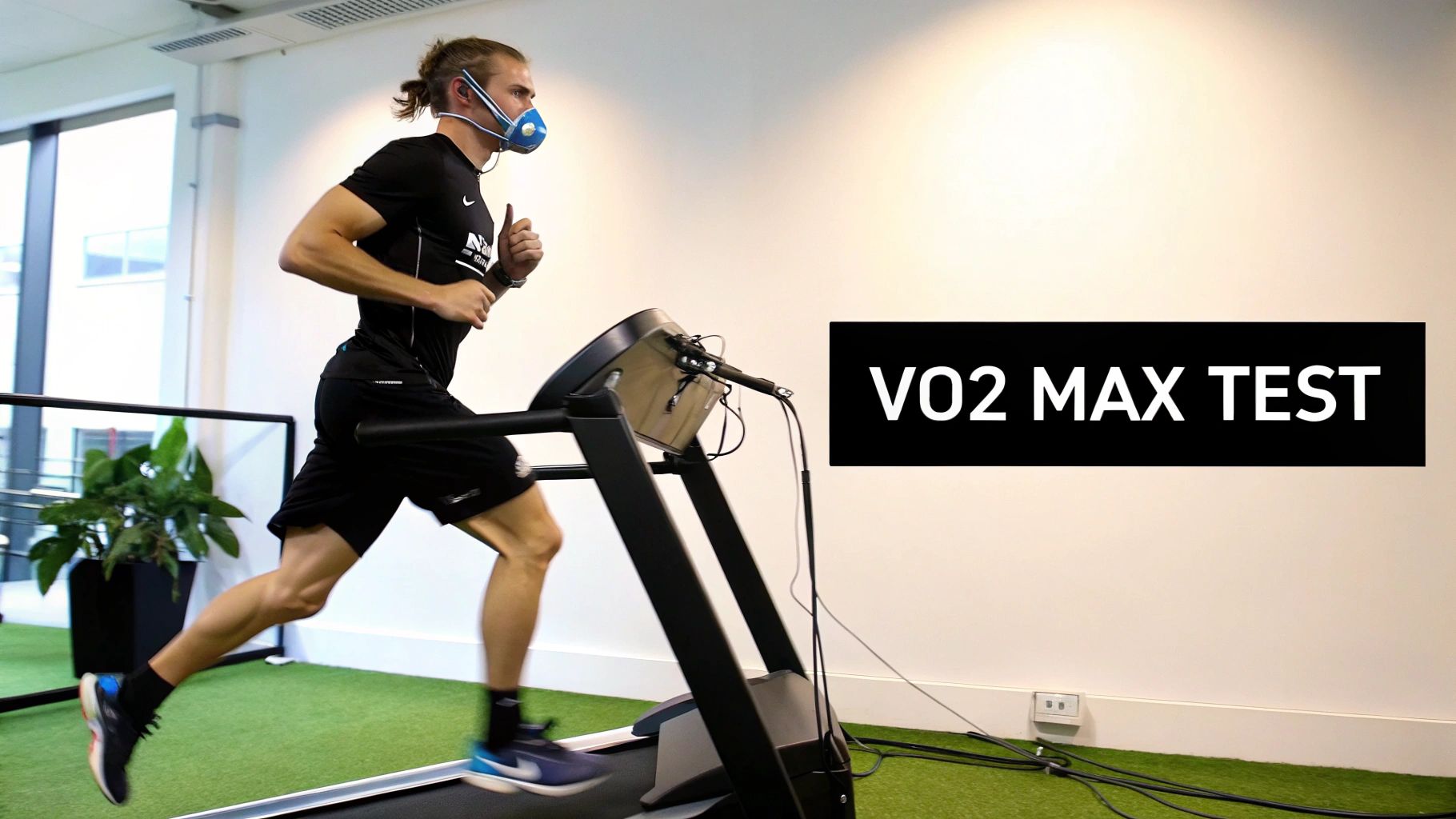
This test is a cornerstone of sports performance testing because it provides invaluable insights into an athlete's energy systems. Identifying the VO2 max helps pinpoint strengths and weaknesses, allowing for the development of targeted training programs. The data obtained also allows for precise exercise prescription, including the determination of optimal training zones and heart rate ranges for maximizing training effectiveness. Furthermore, the VO2 max test offers an objective measurement that can be used to track progress and demonstrate improvements in aerobic capacity over time. Elite athletes, such as Tour de France cyclists and professional soccer players at FC Barcelona, utilize VO2 max testing to establish precise training zones, while Olympic Training Centers rely on it as a standard assessment tool for endurance athletes. This underscores the importance of this test in optimizing athletic performance at the highest levels of competition. Learn more about VO2 Max Test to understand different approaches.
Features:
- Measures maximal oxygen uptake in ml/kg/min.
- Conducted in laboratory settings with specialized equipment.
- Progressive intensity protocol until exhaustion.
- Provides data on ventilatory thresholds and heart rate zones.
Pros:
- Most accurate measure of aerobic capacity.
- Allows precise exercise prescription and training zones.
- Identifies strengths and weaknesses in energy systems.
- Objective measurement that can track improvements over time.
Cons:
- Expensive equipment and trained technicians required.
- Time-consuming protocol.
- Can be uncomfortable for the athlete.
- Not sport-specific for many activities.
Tips for Implementation:
- Athletes should be well-rested and hydrated before testing.
- Avoid heavy meals 3-4 hours before testing.
- Maintain consistent testing protocols for valid comparisons over time.
- Consider sport-specific testing modes (e.g., running vs. cycling).
The VO2 Max test’s development and popularization can be attributed to pioneers like Dr. Åstrand and its widespread adoption by Olympic training programs and sports science institutes like the Australian Institute of Sport. It remains an essential tool for anyone involved in optimizing athletic performance, from personal trainers to sports scientists and exercise physiologists. By understanding and utilizing the information provided by the VO2 Max test, professionals can develop tailored training plans, monitor progress, and help athletes reach their full potential.
2. Functional Movement Screen (FMS)
The Functional Movement Screen (FMS) is a valuable tool in sports performance testing, offering a comprehensive evaluation of fundamental movement patterns. It's designed to identify limitations, asymmetries, and weaknesses that may increase an athlete's risk of injury. The FMS doesn't measure specific skills or athletic performance; rather, it assesses the underlying movement competency that forms the foundation for higher-level athletic activities. By identifying these potential problem areas, coaches and practitioners can implement targeted interventions to improve movement quality and reduce injury risk, ultimately enhancing sports performance.
The FMS consists of seven standardized movement tests: deep squat, hurdle step, inline lunge, shoulder mobility, active straight leg raise, trunk stability push-up, and rotary stability. Each movement is scored on a scale of 0-3, with 3 being optimal performance and 0 indicating pain during the movement. A total score out of 21 provides a snapshot of an individual's overall movement competency. The entire screen takes approximately 15-20 minutes to administer, making it an efficient tool for both individual assessments and large group screenings.
Features and Benefits:
- 7 Standardized Movement Tests: Covering key movement patterns crucial for athletic performance.
- Objective Scoring System: Provides a quantifiable measure of movement quality.
- Efficient Administration: Can be used with individuals or large groups.
- Injury Prevention Focus: Helps identify potential risk factors before injury occurs.
- Baseline Measurement: Establishes a starting point for tracking progress.
Pros:
- Identifies movement compensations and asymmetries.
- Requires minimal equipment.
- Can be administered to large groups efficiently.
- Provides objective baseline measurements.
- Useful for injury prevention programming.
Cons:
- Limited evidence for injury prediction validity.
- May not be sensitive to small changes in movement quality.
- Requires trained professionals for accurate assessment.
- Not specific to sport performance outcomes.
When and Why to Use FMS in Sports Performance Testing:
The FMS is best used as a screening tool early in the athletic season or as part of a pre-participation physical. It's ideal for identifying athletes who might benefit from targeted corrective exercises and movement retraining. By addressing these fundamental movement limitations, practitioners can create a more robust foundation for sport-specific training and reduce the likelihood of future injuries.
Examples of Successful Implementation:
- NFL Combine uses FMS as part of player evaluation.
- Used by US Military for soldier readiness assessment.
- Implemented by professional teams like the Seattle Seahawks.
Actionable Tips for Using FMS:
- Score movements conservatively when in doubt.
- Test in a distraction-free environment.
- Use video recording for more detailed analysis.
- Focus interventions on lowest scores first.
- Retest periodically to measure progress.
Video Demonstration:
Popularized By: Gray Cook (physical therapist and creator), Lee Burton (co-creator), Functional Movement Systems company, EXOS (formerly Athletes' Performance).
The FMS holds a deserved place in sports performance testing because it bridges the gap between basic movement competency and athletic performance. While other tests may focus on strength, speed, and power, the FMS highlights the importance of sound movement patterns as a prerequisite for injury-free training and optimal sports performance. By incorporating the FMS into your testing protocols, you gain valuable insights into an athlete's movement foundation and can proactively address limitations before they lead to performance deficits or injuries.
3. Wingate Anaerobic Test
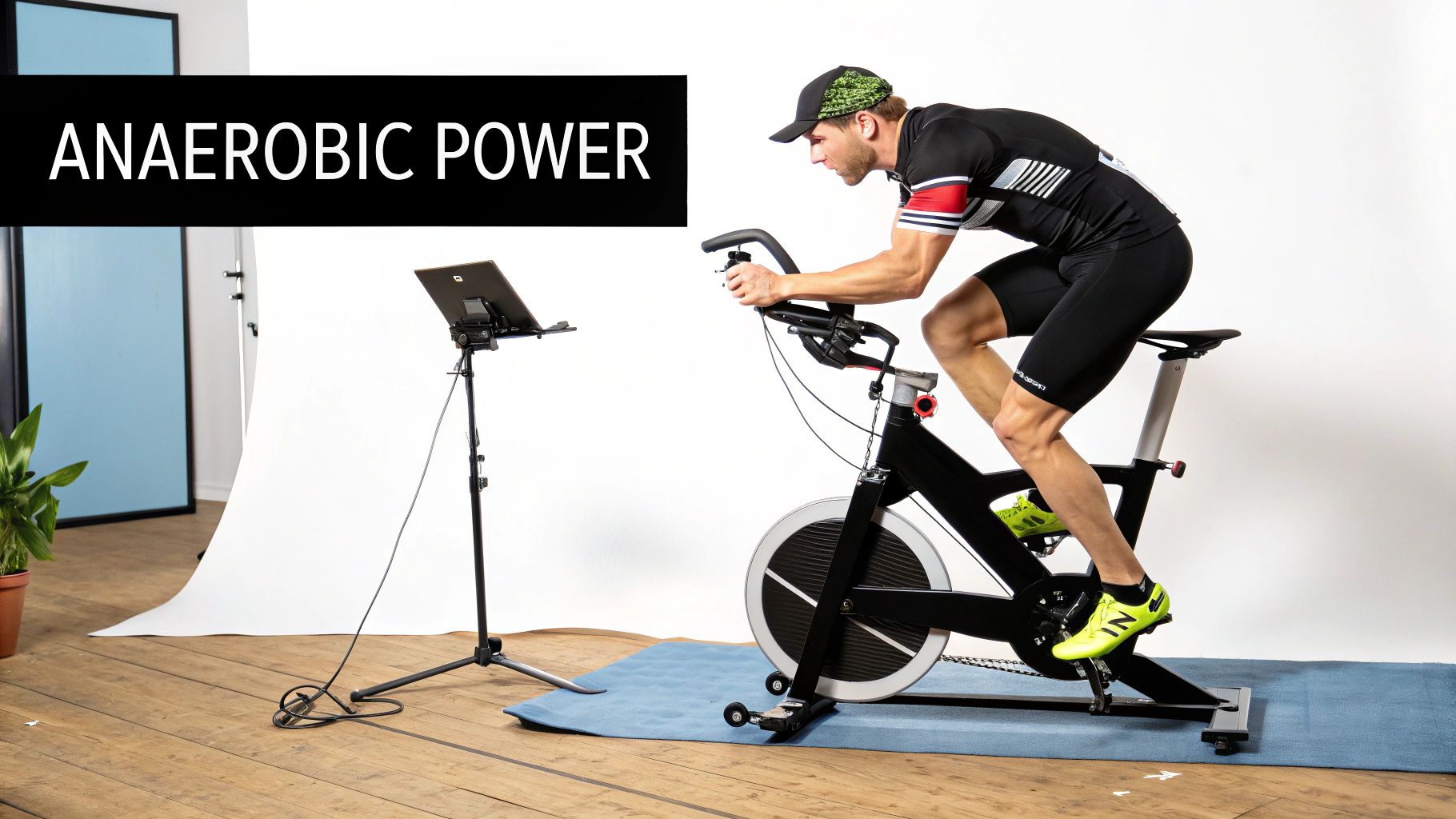
The Wingate Anaerobic Test (WAnT) is a gold-standard assessment in sports performance testing used to evaluate an athlete's anaerobic power and capacity. This 30-second maximal effort cycling test provides valuable insights into the ability of an athlete's muscles to produce energy rapidly without the use of oxygen. The athlete pedals against a resistance, typically set at 7.5% of their body weight, on a specialized cycle ergometer. Power output is measured throughout the 30-second sprint, providing data on peak power (highest power achieved), mean power (average power output over the 30 seconds), and fatigue index (the decline in power output from the peak to the end of the test). This information helps to quantify both the alactic (immediate energy system) and lactic (short-term energy system) anaerobic pathways.
The Wingate Anaerobic Test earns its place among essential sports performance tests due to its reliability, practicality, and the valuable information it provides about an athlete's anaerobic capabilities. While primarily used with cyclists and sprinters, its application extends to athletes in various sports as a measure of lower-body power endurance. The test is particularly useful for monitoring training adaptations and identifying areas for improvement in anaerobic performance. For instance, an increase in mean power over time might suggest improvements in the lactic anaerobic system, while maintaining peak power suggests a stronger alactic system.
Features and Benefits:
- 30-Second Maximal Effort Protocol: Short duration maximizes stress on anaerobic energy systems.
- Resistance Based on Body Weight: Allows for standardized comparisons across individuals.
- Objective Power Measurements: Peak power, mean power, and fatigue index provide quantifiable data.
- Assessment of Anaerobic Capacity and Fatigue Resistance: Provides insights into both alactic and lactic anaerobic systems.
- Easily Comparable Data: Facilitates tracking progress and comparing athletes.
Pros:
- Highly reliable test-retest results
- Quick administration time
- Provides objective power measurements
- Assesses anaerobic capacity and fatigue resistance
- Easily comparable data across athletes and time
Cons:
- Requires specialized equipment (Monark ergometer or equivalent)
- Extremely demanding and uncomfortable for athletes
- Limited sport-specificity for non-cycling sports
- Does not assess skill components
Examples of Implementation:
- Elite Track Cyclists and Sprinters: Profiling anaerobic power and capacity.
- University Exercise Physiology Labs: Standard assessment for research and educational purposes.
- NBA Teams: Used to assess lower-body power endurance in players.
Tips for Successful Implementation:
- Ensure a thorough warm-up (10-15 minutes) incorporating both general and cycling-specific exercises.
- Provide strong verbal encouragement throughout the test to motivate maximal effort.
- Allow at least 48 hours of recovery before repeating the test.
- Consider adjusting the standard resistance for specific populations (e.g., older adults or individuals with injuries).
- Schedule the test when the athlete is fresh, not after other training sessions.
Origins and Popularization:
The Wingate Anaerobic Test was developed in the 1970s by researchers, including Dr. Oded Bar-Or, at the Wingate Institute in Israel. Since then, it has become a widely used and respected tool in sports science laboratories and performance testing facilities worldwide.
By incorporating the Wingate Anaerobic Test into sports performance testing protocols, practitioners gain access to crucial information about athletes' anaerobic power and capacity, ultimately enabling more informed training decisions and targeted interventions for enhanced performance.
4. Force Plate Analysis
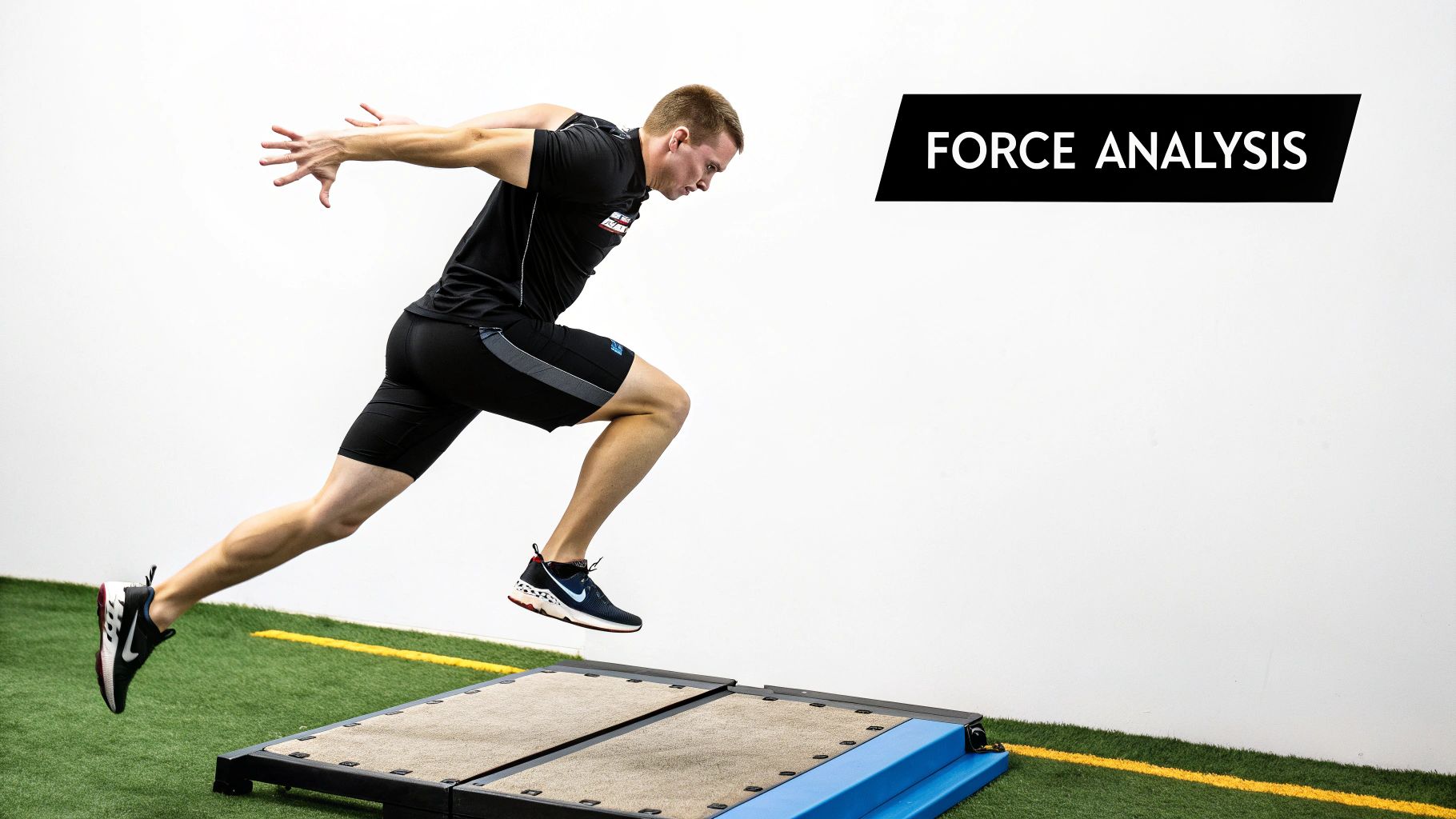
Force plate analysis is a cornerstone of comprehensive sports performance testing. It utilizes highly sensitive platforms, known as force plates, to measure the ground reaction forces (GRFs) an athlete generates during various movements. By capturing these forces, force plates provide invaluable insights into key performance metrics like force production, rate of force development (RFD), power output, and movement asymmetries. This data helps practitioners understand how effectively athletes apply force to the ground, which is fundamental to almost all athletic endeavors. This makes force plate analysis a powerful tool for evaluating and optimizing athletic performance, making informed return-to-play decisions, and identifying potential risk factors for injury.

Force plates measure both vertical and horizontal GRFs at incredibly high sampling rates (typically exceeding 1000 Hz), allowing for the precise quantification of dynamic movements. From a simple jump to complex change-of-direction maneuvers, force plates can break down the biomechanics of these actions. They provide objective data on jump height, power, impulse, contact time, and can even evaluate bilateral asymmetries, revealing imbalances that might hinder performance or increase injury risk. Furthermore, integrating force plate data with motion capture systems provides an even more comprehensive analysis of movement mechanics.
This technology is invaluable for a wide range of sports performance testing applications. For instance, NBA teams use force plates for jump profiling and fatigue monitoring, allowing them to tailor training programs and manage player workloads effectively. Olympic weightlifting programs leverage force plates to meticulously analyze pulling mechanics and optimize lift technique. In rehabilitation settings, force plate data tracks recovery progress after injuries like ACL reconstruction, providing objective measures of strength and functional capacity. Even the NFL Combine utilizes force plates in its assessment of potential draft picks.
Features and Benefits:
- High-resolution data: Captures both vertical and horizontal GRFs at high frequencies (1000+ Hz), providing granular insights into force production.
- Versatile assessments: Assesses a variety of movements, including jumping, landing, sprinting, and change of direction.
- Objective metrics: Provides quantifiable data on jump height, power, impulse, contact time, and bilateral asymmetries.
- Injury risk identification: Helps identify movement imbalances and potential risk factors for injury.
- Return-to-play decisions: Offers objective data to support informed decisions regarding an athlete's readiness to return to competition.
Pros:
- Gold standard: Considered the most accurate method for measuring GRFs.
- Objective and quantifiable: Provides data-driven insights into athletic performance.
- Sensitivity: Detects subtle performance changes not readily apparent through visual observation.
Cons:
- Cost: High-quality force plate systems can be expensive ($10,000-$50,000+).
- Technical expertise: Requires skilled operators to administer tests and interpret data.
- Portability: Lab-based systems are typically not portable, limiting testing locations.
Tips for Effective Force Plate Analysis:
- Standardization: Implement standardized testing protocols for reliable and consistent data collection.
- Relative values: Focus on relative values (force/power per kg) for meaningful comparisons between athletes.
- Combined analysis: Integrate force plate data with video analysis for a comprehensive understanding of movement mechanics.
- Trend tracking: Monitor trends in force plate data over time to track progress and identify potential issues.
- Asymmetry awareness: Use asymmetry scores to guide balanced development and injury prevention strategies.
Force plate analysis rightfully earns its place in this list because it delivers objective, high-resolution data crucial for understanding athletic performance. By providing detailed insights into force production, force plate analysis empowers practitioners to optimize training programs, enhance athlete development, and make informed decisions regarding injury prevention and rehabilitation. While the cost and required expertise can be barriers, the valuable data obtained from force plate analysis makes it an essential tool in modern sports performance testing.
5. Vertical Jump Testing
Vertical jump testing holds a prominent position in sports performance testing due to its ability to quickly and effectively assess lower body explosive power, a key component of athletic performance in numerous sports. This test measures the height an athlete can jump using various protocols, providing insights into their ability to generate force rapidly. This makes it a valuable tool for athletes, coaches, and sports scientists seeking to understand, monitor, and improve athletic capabilities.
Vertical jump testing encompasses several different protocols, each designed to assess slightly different aspects of lower body power. The countermovement jump (CMJ), perhaps the most common variation, involves a rapid downward movement followed immediately by an upward jump. This mimics movements seen in many sports, such as basketball rebounding or volleyball blocking. Squat jumps, initiated from a static squat position, emphasize concentric strength, while drop jumps, where the athlete drops from a box and immediately jumps upon landing, assess reactive strength and plyometric capabilities. Beyond just measuring jump height, modern technologies allow for the assessment of power output, force-velocity profiles, contact time, and even movement mechanics, offering a more comprehensive understanding of athletic performance. Learn more about Vertical Jump Testing
The versatility of vertical jump testing is evident in its widespread use across various sporting disciplines. For example, the NBA Combine incorporates vertical jump assessments as a key metric in evaluating potential draft prospects, reflecting the importance of explosiveness in basketball. Volleyball programs frequently utilize jump testing for monitoring player training progress and identifying areas for improvement. Track and field coaches also employ these tests to gauge the effectiveness of plyometric training programs and optimize athlete performance. Even military fitness testing protocols often include a vertical jump component, highlighting its relevance to functional strength and power.
Features and Benefits:
- Multiple jump protocols: Allows for a tailored assessment based on specific training goals.
- Comprehensive metrics: Measures not only jump height but also power output, contact time, and more.
- Variety of measurement tools: From simple jump-and-reach measurements to sophisticated force plates, the test can be adapted to different budgets and levels of precision.
- Quick and non-invasive: The test can be performed quickly and easily with minimal risk of injury.
- Identifies bilateral asymmetries: Can reveal imbalances in leg strength and power, which can be addressed through targeted training.
Pros:
- Strong correlation with sport performance: Jump height and power output are directly relevant to success in many athletic activities.
- Simple to administer: Requires minimal equipment and expertise to conduct.
- Easy to understand: Athletes and coaches can easily grasp the significance of the results.
- Sensitive to training adaptations and fatigue: Provides valuable feedback on training effectiveness and recovery status.
Cons:
- Technical execution can affect results: Proper technique is crucial for accurate measurements.
- Basic measurement tools lack comprehensive data: Simple jump-and-reach assessments may not provide the level of detail needed for advanced analysis.
- Jump height alone is not the complete picture: Other factors, such as technique and coordination, also contribute to athletic performance.
- Limited relevance for some sports: While crucial for many sports, vertical jump testing may be less relevant for sports like swimming.
Tips for Effective Vertical Jump Testing:
- Standardize arm position: Instruct athletes to keep their hands on their hips for a consistent assessment of lower body power.
- Provide clear instructions and demonstrations: Ensure athletes understand the proper technique for each jump protocol.
- Allow practice attempts: Permit 2-3 practice jumps before recording official results.
- Test at similar times of day: Control for diurnal variations in performance by testing at consistent times.
- Consider fatigue levels: Interpret results in the context of the athlete's training load and recovery status.
Pioneering work by individuals like Carmelo Bosco, who developed standardized jump test protocols, and the advent of technologies like the Vertec jump measurement device and Just Jump contact mat system have greatly popularized vertical jump testing in sports science and athletic training. Its inclusion in combine testing for professional sports further solidifies its status as a fundamental measure of athletic explosiveness. By incorporating vertical jump testing into their assessments, practitioners can gain valuable insights into athlete capabilities and tailor training programs to maximize performance.
6. GPS/LPS Tracking Systems
GPS/LPS tracking systems represent a cutting-edge approach to sports performance testing, offering valuable insights into athlete movement and workload. These systems leverage Global Positioning System (GPS) and Local Positioning System (LPS) technology to monitor athlete movement patterns, distances covered, speeds, accelerations, decelerations, and precise positioning during both training sessions and competitive events. This data provides crucial information for quantifying external training load, understanding tactical positioning, and analyzing the specific movement demands of various sports. For professionals involved in sports performance enhancement – including personal trainers, fitness instructors, exercise physiologists, and sports scientists – understanding and utilizing this technology is increasingly vital.
These systems typically involve athletes wearing small, unobtrusive sensors that collect real-time data. This data is then transmitted wirelessly to a computer or tablet for analysis. Features often include measuring distance covered at different speed thresholds, tracking acceleration, deceleration, and change of direction, and recording precise positioning data and movement patterns. Many advanced systems also integrate with heart rate monitors for a more comprehensive physiological profile. Sampling rates vary, with GPS typically ranging from 5-20Hz and LPS reaching up to 100Hz, offering higher-resolution data capture. Data is typically managed and visualized using cloud-based software platforms, allowing for in-depth analysis and reporting. Learn more about GPS/LPS Tracking Systems
This technology has been widely adopted across professional sports, with examples including Premier League soccer teams tracking player movement patterns to optimize tactics, NFL teams monitoring practice and game loads to manage fatigue and reduce injury risk, and rugby unions analyzing positional demands to tailor training programs. Even Australian rules football has been a pioneer in the application of GPS technology within team sports. These real-world applications demonstrate the value of GPS/LPS tracking in enhancing performance and mitigating injury risk.
Pros of using GPS/LPS Tracking Systems:
- Non-invasive monitoring during actual sport performance.
- Provides objective workload quantification.
- Helps prevent overtraining and reduce injury risk.
- Enables position-specific performance analysis.
- Supports tactical and technical evaluation.
- Allows individualization of training programs.
Cons of using GPS/LPS Tracking Systems:
- High cost for team implementation (often exceeding $50,000 for full systems).
- GPS accuracy limitations in indoor environments.
- Data interpretation requires specialized knowledge.
- Potential signal interference in some stadium environments.
- Some leagues restrict use during official competition.
Actionable Tips for Implementation:
- Focus on Individual Baselines: Rather than relying solely on team averages, establish individual baselines for each athlete to personalize training programs and monitor progress effectively.
- Combine with Internal Load Measures: Integrate GPS/LPS data with internal load measures like Rate of Perceived Exertion (RPE) and heart rate monitoring to obtain a more holistic understanding of athlete workload and physiological responses.
- Create Position-Specific Benchmarks: Develop benchmarks and thresholds specific to different playing positions within a sport to account for varying movement demands and physical requirements.
- Utilize Acute:Chronic Workload Ratios: Monitor acute:chronic workload ratios to identify athletes at increased risk of injury and adjust training loads accordingly.
- Integrate with Video Analysis: Combine GPS/LPS data with video analysis to provide context to the movement data, allowing for a deeper understanding of player performance and tactical decision-making.
GPS/LPS tracking systems earn their place in the sports performance testing toolkit by providing objective, real-time data on athlete movement and workload. This information empowers coaches and sports scientists to refine training programs, optimize player performance, and reduce injury risk. While cost can be a barrier, particularly for smaller organizations, the wealth of information provided often justifies the investment for serious sports performance programs. This technology is particularly relevant for professionals working with athletes at all levels, from aspiring amateurs to elite professionals, seeking to optimize performance and minimize the risk of injury.
7. Yo-Yo Intermittent Recovery Test
The Yo-Yo Intermittent Recovery Test (YYIRT) stands out as a valuable tool in the realm of sports performance testing, specifically designed to assess an athlete's ability to perform repeated high-intensity aerobic work interspersed with short recovery periods. This makes it highly relevant for sports involving intermittent activity patterns, such as soccer, basketball, handball, and rugby, earning it a deserved place on this list. This test provides a practical and effective way to gauge an athlete's sport-specific endurance capacity, going beyond the limitations of continuous running tests.
How it Works:
The YYIRT involves athletes running 20-meter shuttle runs back and forth between two markers. The speed progressively increases, dictated by audio signals. Crucially, after each 2x20m shuttle, athletes have a 10-second active recovery period for jogging or walking. This cycle of high-intensity running and brief recovery continues until the athlete can no longer maintain the required pace. The total distance covered serves as the performance metric. Two main versions of the test exist: Level 1 (designed for endurance assessment) and Level 2 (designed for higher-intensity assessment). A typical YYIRT lasts between 5 and 20 minutes, depending on the athlete's fitness level.
Features and Benefits:
- Progressive Speed Increases: Controlled by audio signals, ensuring standardized testing.
- Short Active Recovery: 10-seconds between shuttles replicates the intermittent nature of many sports.
- Two Versions: Level 1 and Level 2 cater to different intensity demands.
- Measurable Output: Distance covered provides a quantifiable performance indicator.
- Sport-Specific: Mimics the demands of intermittent sports more accurately than continuous tests.
Pros:
- Sport-Specific Assessment: Highly relevant for team and racquet sports.
- Minimal Equipment: Cones, measuring tape, and an audio player are all that’s needed.
- Efficient Testing: Multiple athletes can be tested simultaneously.
- Strong Correlation with Match Performance: Proven link to on-field performance in team sports.
- Greater Specificity: More relevant than continuous running tests like the beep test for intermittent sports.
Cons:
- Maximal Effort Required: Motivation levels can significantly influence results.
- Limited Physiological Insight: Less accurate than laboratory testing for specific physiological parameters.
- Weather Dependent: Outdoor testing can be affected by weather conditions.
- Lower Relevance for Continuous Sports: Less applicable to sports like long-distance running or cycling.
Examples of Successful Implementation:
- Premier League soccer clubs utilize the YYIRT for pre-season fitness assessments and player monitoring.
- NBA teams employ the test to evaluate players' recovery capacity and track progress throughout the season.
- National handball teams use the YYIRT to establish fitness standards and selection criteria.
- Rugby clubs integrate the test into their training programs to track fitness levels throughout the competitive season.
Actionable Tips:
- Thorough Warm-up: Ensure athletes perform a dynamic warm-up before the YYIRT.
- Consistent Surface: Conduct testing on a flat, consistent surface, preferably an indoor court.
- Heart Rate Monitoring: Use heart rate monitors to gather additional physiological data and gain deeper insights.
- Strategic Scheduling: Schedule the YYIRT away from intensive training sessions to avoid fatigue and maximize performance.
- Sport-Specific Benchmarks: Establish relevant benchmarks based on the specific sport, position, and competitive level.
Why the YYIRT Deserves its Place in Sports Performance Testing:
The Yo-Yo Intermittent Recovery Test offers a practical, efficient, and sport-specific way to assess an athlete's ability to cope with the high-intensity intermittent demands of many popular sports. Its ease of implementation, combined with its strong correlation with on-field performance, makes it a valuable tool for coaches, trainers, and sports scientists seeking to optimize athletic performance. Developed by Dr. Jens Bangsbo and the University of Copenhagen research team, its adoption by professional soccer leagues worldwide and recommendation by FIFA as a fitness testing protocol further solidifies its place as a key component of comprehensive sports performance testing.
8. 1-Repetition Maximum (1RM) Testing
1-Repetition Maximum (1RM) testing is a cornerstone of sports performance testing, providing a gold standard measurement of maximal strength. It determines the heaviest weight an athlete can lift for a single repetition of a specific exercise, like the squat, bench press, or deadlift, using proper form. This information is invaluable for establishing baseline strength levels, tracking progress over time, tailoring training programs, and comparing strength across athletes. As a critical component of comprehensive sports performance testing, 1RM offers valuable insights into an athlete's strength capacity and potential.
How It Works:
1RM testing can be performed directly, where the athlete attempts to lift progressively heavier weights until reaching their true 1RM, or indirectly, using submaximal loads and prediction equations. The direct method provides the most accurate measurement but carries a higher risk of injury. The indirect method, while safer, relies on estimations and may not be as precise. Regardless of the method, accurate performance and recording are essential components of sports performance testing protocols.
When and Why to Use 1RM Testing:
1RM testing is particularly relevant for strength-based sports like weightlifting, powerlifting, American football, and rugby. It helps to:
- Establish Baseline Strength: Provides an initial measurement of strength for designing personalized training programs.
- Track Progress: Monitoring 1RM changes over time offers objective data on the effectiveness of training interventions.
- Determine Training Loads: Percentage-based training programs rely heavily on 1RM values to calculate appropriate training weights.
- Compare Strength Levels: Allows for comparison of strength between athletes within a team or across different populations.
- Identify Talent: High 1RM values, particularly relative strength (1RM divided by body weight), can be indicative of athletic potential.
- Assess Muscle Group Ratios: Comparing 1RM values across different exercises can highlight imbalances and inform targeted training strategies.
Examples of Successful Implementation:
- NFL Combine: The bench press test, performed for maximum repetitions at 225 lbs, serves as a standard strength assessment for potential draft picks, showcasing its relevance in sports performance testing.
- Powerlifting Competitions: These competitions are built around 1RM performance in the squat, bench press, and deadlift, illustrating the direct application of 1RM in competitive strength sports.
- Olympic Weightlifting: Program design in Olympic weightlifting frequently utilizes percentages of 1RM to structure training sessions and optimize performance.
- Strength and Conditioning Programs: Strength coaches frequently use 1RM testing to establish strength standards and benchmarks for athletes in various sports.
Features and Benefits:
- Objective Measurement: Provides quantifiable data for accurate assessment and progress tracking.
- Relevance to Strength-Based Sports: Directly measures the key performance characteristic in many sports.
- Quantifiable Progress Tracking: Allows for easy monitoring of strength gains over time.
- Motivational Tool: Seeing tangible improvements in 1RM can boost athlete motivation.
- Talent Identification: Can help identify individuals with high strength potential.
Pros:
- Objective measurement of maximal strength
- Directly relevant to strength-based sports
- Easily quantifiable progress tracking
- Motivational for athletes to see improvements
- Useful for talent identification
Cons:
- Safety concerns with maximal loading
- Requires proper technique and spotting
- May not directly translate to sport performance
- Time-consuming for multiple exercises
- Affected by daily readiness and CNS fatigue
Actionable Tips for Implementation:
- Thorough Warm-up: Prioritize a comprehensive warm-up including dynamic stretching and lighter weight repetitions.
- Gradual Load Progression: Incrementally increase the weight lifted to avoid injury and find the true 1RM.
- Experienced Spotters: Ensure trained spotters are present for safety, particularly during maximal attempts.
- Proper Safety Equipment: Utilize appropriate safety equipment such as power racks and safety bars.
- Consider 3-5RM Testing: For less experienced athletes, a 3-5RM test with prediction equations can be a safer alternative.
- Infrequent Testing: Limit 1RM testing of main exercises to every 8-12 weeks to allow for adequate recovery and training adaptation.
- Standardized Conditions: Control testing conditions like time of day, equipment, and warm-up protocols for consistent results.
- Relative Strength Focus: Interpret 1RM results in the context of body weight to gain a more comprehensive understanding of functional strength.
Popularized By:
1RM testing has been a staple in the strength and conditioning world for decades, championed by figures like Bill Starr, Louie Simmons (Westside Barbell), and Mark Rippetoe (Starting Strength), as well as organizations like the NSCA. The rise of CrossFit, with its emphasis on measurable performance, has further popularized 1RM assessments.
Sports Performance Testing Methods Comparison
| Test / Assessment Method | Implementation Complexity ? | Resource Requirements ⚡ | Expected Outcomes ? | Ideal Use Cases ? | Key Advantages ⭐ |
|---|---|---|---|---|---|
| VO2 Max Test | High: lab-based, specialized equipment, trained staff | High: metabolic cart, mask, treadmill/ergometer | Accurate maximal oxygen uptake, ventilatory thresholds, training zones | Elite endurance athletes, precise aerobic capacity assessment | Most accurate aerobic measure, precise training prescription |
| Functional Movement Screen | Moderate: standardized protocols, less technical | Low: minimal equipment (hurdle, dowel, board) | Movement pattern scores, injury risk insights | Injury prevention, movement competency screening | Identifies asymmetries, quick group administration |
| Wingate Anaerobic Test | Moderate: 30-sec maximal sprint protocol | Moderate: cycle ergometer with power output | Peak/mean power, fatigue index, anaerobic capacity | Anaerobic power assessment, sprint and power sports | Quick reliable anaerobic power data, easy comparison |
| Force Plate Analysis | High: technical setup and operation | High: expensive force plates, skilled interpretation | Detailed ground reaction force metrics, asymmetry detection | Neuromuscular performance, rehab, fatigue monitoring | Gold standard force data, subtle performance changes |
| Vertical Jump Testing | Low to Moderate: simple protocols, varied device use | Low to Moderate: contact mats, force plates, or video | Jump height, power, force-velocity profile | Explosive power assessment, broad sport applications | Easy administration, sensitive to training/fatigue |
| GPS/LPS Tracking Systems | High: complex hardware + software integration | High: wearable sensors, cloud analysis platforms | Movement loads, positional data, speed, acceleration | Real-time monitoring, team sport load management | Non-invasive field monitoring, tactical & workload insights |
| Yo-Yo Intermittent Recovery Test | Low: field test with cones and audio | Low: cones, audio player | Distance to exhaustion, intermittent endurance | Intermittent sport endurance, team sports | Sport-specific, minimal equipment, group testing |
| 1-Repetition Maximum (1RM) Testing | Moderate: requires safety measures and technique | Low to Moderate: weights, spotters | Maximal strength values, training load baselines | Strength sports, training load prescription | Objective max strength metric, motivational tracking |
Maximize Your Potential: Putting Sports Performance Testing into Action
Sports performance testing, encompassing assessments like VO2 max, Functional Movement Screen (FMS), Wingate anaerobic test, force plate analysis, vertical jump testing, GPS/LPS tracking, Yo-Yo intermittent recovery test, and 1RM testing, provides invaluable insights into an athlete's capabilities. By understanding these key metrics, coaches and trainers can tailor training programs to individual needs, maximizing strengths, addressing weaknesses, and ultimately boosting performance. These tests offer a comprehensive view, from aerobic capacity and movement efficiency to power output and strength levels, allowing for data-driven decisions that optimize training outcomes. Remember, the specific tests you choose should align with the demands of the sport or activity.
One of the most important takeaways is the need for consistency and accuracy in your sports performance testing protocols. Regular assessments, conducted under similar conditions, provide the most reliable data for tracking progress and identifying areas needing attention. Recovery is just as crucial to sports performance as training itself. Ensuring adequate rest and recovery between sessions can help prevent injuries and improve overall results. Explore these proven recovery strategies for valuable insights into optimizing recovery for enhanced performance.
Mastering these concepts and applying appropriate sports performance testing methods can be transformative. This data-driven approach empowers athletes to break through plateaus, reduce injury risk, and ultimately, achieve their full athletic potential, leading to greater success in their chosen field. Remember, optimal performance isn't just about pushing harder; it's about training smarter.
Ready to elevate your sports performance testing capabilities? Cartwright Fitness offers a wide range of specialist equipment to help you implement these tests effectively. Visit Cartwright Fitness today and discover how they can help you build or update your testing resources.